We are embarking on a journey through Berlin, not by the hurried pace of a tour bus, nor the anonymous hum of public transport, but by the intimate and invigorating engagement of two wheels. Exploring Berlin by bike offers a unique perspective, transforming the city into a vibrant tapestry woven with history, culture, and everyday life, accessible at our own rhythm. As we plan our two-wheeled adventure, one of the first considerations is navigating the landscape of bicycle rental options. This is not merely a logistical hurdle; it is the key that unlocks the city’s myriad pathways and hidden courtyards. The variety of choices available can seem daunting, a complex ecosystem of providers each with its own strengths and areas of focus. Understanding these options is crucial to ensuring our Berlin cycling experience is both seamless and enriching.
Berlin, a city of sprawling districts and interconnected neighborhoods, is remarkably conducive to cycling. Its relatively flat terrain in many areas, combined with a growing network of dedicated bike lanes (Radwege), makes it an attractive destination for bicycle tourism. We are not just talking about a few token lanes; Berlin has been steadily investing in its cycling infrastructure, creating a more integrated and safer environment for riders. This commitment means that from the historic heart of Mitte to the bohemian enclaves of Kreuzberg and the green expanses of the Tiergarten, the bicycle is a viable and often preferred mode of transport. We can think of Berlin’s cycling network as the city’s circulatory system, with bicycles acting as healthy red blood cells, carrying us through its diverse body. The abundance of parks, riverside paths, and quiet residential streets further enhance the appeal, allowing us to escape the urban bustle and immerse ourselves in more tranquil settings.
The Growing Importance of Cycling in Berlin
For years, Berlin has been an outlier among major European capitals, with a higher reliance on public transport compared to, say, Amsterdam or Copenhagen. However, this trend is shifting. We observe a discernible increase in the number of residents and visitors opting for bicycles. This shift is driven by a confluence of factors: environmental consciousness, a desire for healthier lifestyles, and the sheer practicality of navigating a city where car traffic can be congested and parking a perennial challenge. The city administration has recognized this momentum and is actively working to expand and improve its cycling infrastructure. This includes the creation of protected bike lanes, traffic-calmed zones, and improved signage. The bicycle is no longer just a recreational tool; it has become a legitimate and increasingly popular mode of daily commuting and exploration.
Navigating Berlin’s Diverse Districts by Bike
Each district of Berlin possesses its own distinct character, and exploring them by bike allows us to appreciate these nuances in a way that is simply not possible from the confines of a vehicle. In Mitte, we can weave through grand boulevards and discover historical landmarks with ease. Moving to Prenzlauer Berg, we find charming cobblestone streets lined with independent boutiques and inviting cafes, perfect for leisurely exploration. Kreuzberg offers a more edgy, vibrant atmosphere, best experienced by navigating its bustling streets and discovering its street art. Friedrichshain, with its sprawling parks like the Volkspark Friedrichshain, invites longer rides and moments of relaxation. Even the more residential areas, often overlooked by mainstream tourism, reveal their unique stories and daily life when explored at a cycling pace. The bicycle becomes our personal key to unlocking the secrets of each neighborhood, allowing us to linger where curiosity strikes and move on when the mood dictates.
The Role of Public Transport in a Cycling Journey
While we are focusing on bicycles, it is crucial to acknowledge the synergy between cycling and Berlin’s excellent public transport system. The U-Bahn (subway) and S-Bahn (urban rail) are efficient and extensive, serving as a valuable complement to our cycling adventures. We can, for instance, cycle to a distant U-Bahn station, lock our bike securely, and then use the train to cover a larger distance. Alternatively, we may arrive in Berlin by train and immediately seek out a rental bike near the station. Many S-Bahn and U-Bahn stations offer bicycle parking facilities, and some rental companies have pick-up points conveniently located near major transport hubs. Understanding how to integrate our cycling with Berlin’s public transport network can significantly expand the scope and efficiency of our exploration, acting like intelligent navigational tools in our journey. It’s a flexible approach that allows us to adapt to the city’s pace and our own energy levels.
Traditional Bicycle Rental Shops: A Familiar Framework
For many of us, the concept of a traditional bicycle rental shop is a comforting and familiar one. These establishments, often found in tourist-heavy areas and near major attractions, offer a tangible and personal approach to securing our two-wheeled transport. We walk in, browse the available bicycles, perhaps have a brief conversation with the proprietor, and leave with a key to unlocking our Berlin adventure. The advantage here lies in the personal touch and the ability to physically inspect the bicycle before committing. We can assess its condition, the tire pressure, and the general comfort of the ride. This hands-on approach can be particularly appealing to those who desire a specific type of bicycle or have particular needs regarding fit and comfort.
The Benefits of Physical Rental Locations
The primary benefit of brick-and-mortar rental shops is the immediate gratification and the direct interaction we receive. We can see the bicycles, feel their weight, and even take a short test ride before making our final decision. This is particularly useful for those who are not experienced cyclists or who have specific ergonomic requirements. Moreover, many of these shops offer on-site maintenance and repair services. Should we encounter a flat tire or a minor mechanical issue during our rental period, a quick visit back to the shop can often resolve the problem efficiently. We are not just renting a machine; we are engaging with a service provider who can offer support and advice. This human element can be invaluable, especially when navigating an unfamiliar city.
Types of Bicycles Available
Traditional rental shops typically offer a range of bicycles to cater to different preferences and needs. We will commonly find sturdy city bikes, designed for comfortable upright riding and navigating urban terrain. These are often equipped with fenders, chain guards, and sometimes even baskets, making them practical for carrying shopping or a small backpack. For those looking for a more active experience, road bikes or hybrid bikes might be available, offering a more streamlined design and a more aggressive riding position. Some shops may also have specialized options, such as tandem bicycles for couples or families, or even electric bikes, which have gained considerable popularity for their ability to ease ascents and extend cycling range. The selection ensures that most individuals can find a bicycle that aligns with their intended use and comfort level.
Understanding Rental Durations and Pricing
Rental durations at traditional shops typically range from hourly to daily, and often extend to weekly or even monthly rentals. Pricing structures usually reflect the duration of the rental, with longer periods generally offering a lower daily rate. It is important to carefully review the terms and conditions, including any mileage limitations, insurance options, and late return policies. Some shops may require a security deposit, which is typically refunded upon the safe return of the bicycle in good condition. We should also inquire about any included accessories, such as helmets, locks, and lights, as these may incur an additional charge if not part of a package. Transparency in pricing is key, and we should aim to understand the total cost before committing to a rental.
Bike-Sharing Systems: The Digital Revolution in Mobility

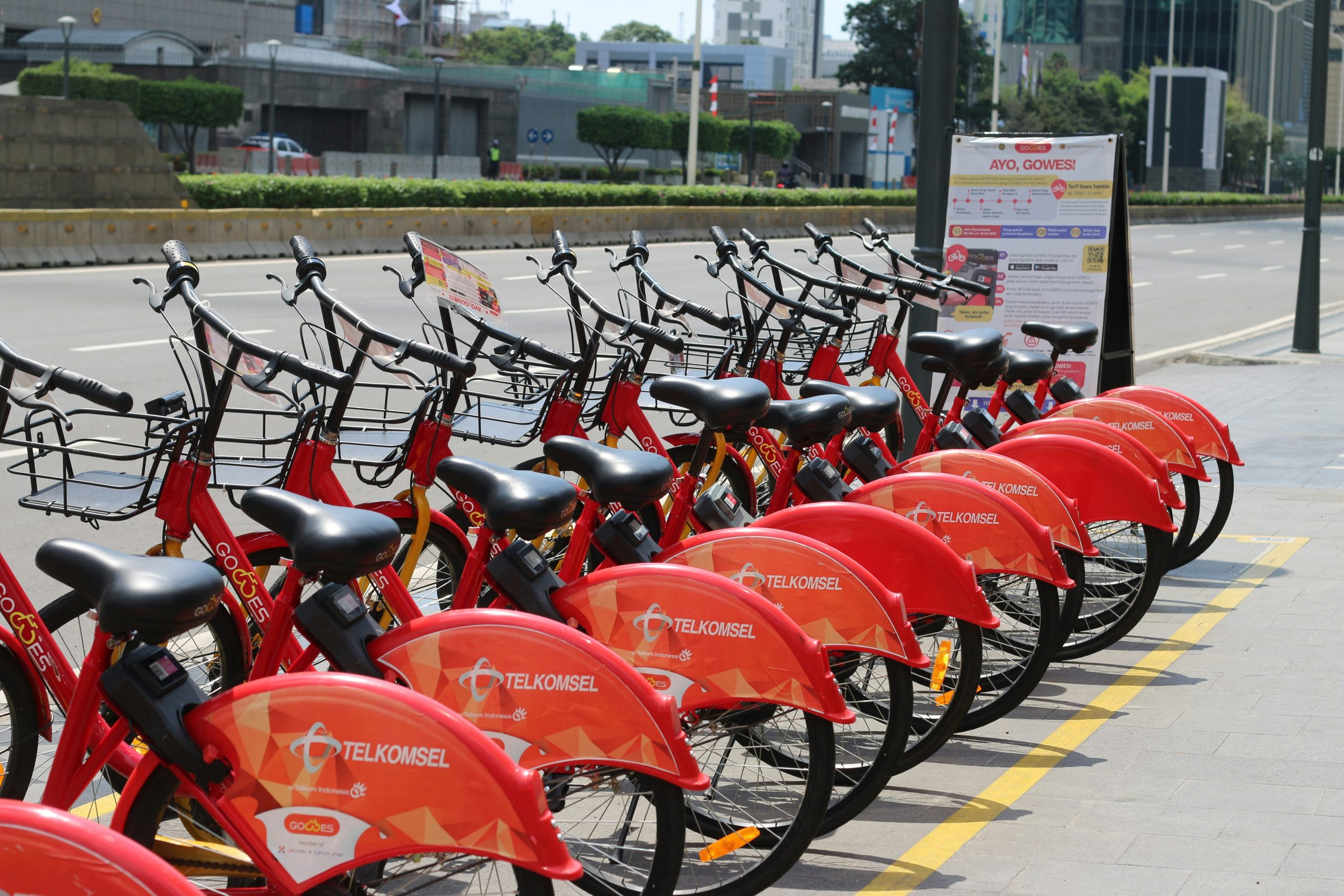
The advent of bike-sharing systems has fundamentally transformed urban mobility, and Berlin is no exception. These systems, often app-based, offer a flexible and convenient way to access bicycles on demand. They are like digital kiosks scattered across the city, ready to dispense a ride at our fingertips. The ease of finding, unlocking, and returning a bike through a smartphone application has made these services incredibly popular for short trips and spontaneous excursions. We do not need to plan our routes around specific rental shop opening hours or worry about returning a bike to the exact same location.
How Bike-Sharing Works: Apps and Geolocation
The operational model of bike-sharing systems is elegantly simple and heavily reliant on technology. We download a dedicated app from a service provider, register, and link a payment method. Once registered, the app displays a map of the city, showing the real-time location of available bicycles. We can then navigate to the nearest bike, scan a QR code on the frame using our smartphone, and the lock automatically disengages, allowing us to begin our ride. Upon completion, we can usually park the bike within designated zones or at any legal parking spot (depending on the specific system’s rules) and lock it via the app. Geolocation technology is the invisible thread that connects us to the bike, making the entire process remarkably seamless.
Types of Bike-Sharing Models: Docked vs. Dockless
Within the realm of bike-sharing, we encounter two primary models: docked and dockless. Docked systems operate with designated stations where bicycles must be picked up and returned. These systems often prioritize organized parking and can lead to a more predictable availability of bikes in popular areas. Dockless systems, on the other hand, offer greater flexibility, allowing users to leave bikes at any legal parking location within a defined service area. While this offers greater freedom, it can sometimes lead to haphazard parking, which has been a point of contention in some cities. Berlin hosts a variety of operators, each employing one or both of these models, providing us with a choice based on our preferred level of convenience and structure.
Pricing and Membership Options
Bike-sharing services typically operate on a pay-as-you-go model, with charges based on the duration of the ride, often billed in minutes. Daily or monthly passes are frequently available, offering a more cost-effective solution for those who anticipate frequent use. Some providers also offer annual memberships that provide unlimited access to a certain number of rides per day or week, with a reduced per-minute rate. It is essential to carefully compare the pricing structures of different providers, as they can vary significantly. We should also be mindful of any unlock fees, which are sometimes levied when initiating a ride, especially outside of promotional periods. Understanding these financial nuances is akin to deciphering a map’s legend; it helps us navigate the costs effectively.
Advantages and Disadvantages of Bike-Sharing
The key advantage of bike-sharing is its unparalleled convenience and accessibility. We can hop on a bike for a spontaneous short trip across town without the need for a lengthy rental agreement. The affordability for occasional use is another significant plus. However, the availability of bikes can fluctuate, especially during peak hours or in less well-serviced areas. Maintenance of shared bikes can also be a concern, as it is not always as rigorous as with traditional rental shops. Furthermore, the dockless model, while flexible, can sometimes lead to bikes obstructing sidewalks or public spaces, impacting pedestrian flow. Nevertheless, for many, the sheer ease of use makes bike-sharing an indispensable tool for exploring Berlin.
Electric Bikes (E-Bikes): Amplifying Our Cycling Power

For those seeking to conquer Berlin’s occasional inclines or simply cover more ground with less physical exertion, electric bikes (e-bikes) present an increasingly attractive option. These power-assisted bicycles are not merely a trend; they represent a significant evolution in urban cycling, offering an accessible entry point for a wider range of individuals. Think of an e-bike as a traditional bicycle with a subtle, helpful co-pilot. The electric motor provides an assist to our pedaling, making hills feel flatter and headwinds less formidable. This technology democratizes cycling, opening it up to individuals of varying fitness levels and those who might otherwise find cycling challenging.
The Mechanics and Benefits of E-Bike Assistance
An e-bike is equipped with an electric motor, a battery, and various sensors that detect our pedaling effort. When we pedal, the sensors communicate with the motor, which then provides a level of assistance, augmenting our own power. The level of assistance is typically adjustable, allowing us to choose how much help we want. This means that even if we are not an Olympic athlete, we can comfortably navigate the city and enjoy longer rides. The benefits are numerous: reduced fatigue, the ability to keep pace with faster cyclists, and the capacity to travel further without becoming excessively tired. This is particularly advantageous in a city like Berlin, with its many parks and green spaces that invite exploration beyond the immediate vicinity.
E-Bike Rental Options: Dedicated Providers vs. Integrated Services
We can access e-bikes through various channels. Several companies specialize exclusively in e-bike rentals, offering a fleet of high-quality electric bicycles, often with longer rental periods and more comprehensive service options. These dedicated providers may be found in specific locations or operate entirely online with delivery services. Additionally, many of the previously discussed bike-sharing systems now include e-bikes in their fleets. This integration means that we can often find and rent an e-bike through the same app we use for conventional shared bikes, adding another layer of convenience to the already accessible bike-sharing model.
Considerations for E-Bike Rentals
When considering an e-bike rental, it is important to be aware of a few key factors. The battery life is a crucial consideration; we need to ensure that the battery will be sufficient for our planned route. Most rental companies provide information on the expected range of their e-bikes. We should also inquire about charging facilities, although for shorter rentals, this is usually not an issue. Like with any bicycle rental, understanding the pricing structure is vital. E-bike rentals can sometimes be more expensive than traditional bikes due to the technology involved, so a clear understanding of per-minute, daily, or membership rates is essential. Helmets are always recommended, and for e-bikes, their importance is amplified due to the potential for higher speeds.
E-Bikes for Longer Distances and Scenic Routes
The enhanced range and reduced physical demand offered by e-bikes make them ideal for exploring Berlin’s more extensive green spaces and scenic routes. We can embark on extended cycling tours along the Spree River, venture out to the Wannsee lake, or explore the vast Grunewald forest without the same level of physical exertion required on a conventional bicycle. This opens up new possibilities for day trips and multi-day cycling adventures from Berlin, allowing us to cover more ground and experience more of the Brandenburg countryside surrounding the capital. The e-bike effectively extends our personal range, transforming the city and its environs into a more accessible playground.
Specialized Bicycle Tours: Guided Exploration and Themed Adventures
| Metric | Value | Unit | Notes |
|---|---|---|---|
| Number of Rental Stations | 1500 | stations | Across Berlin city area |
| Total Bikes Available | 20000 | bicycles | Includes e-bikes and regular bikes |
| Average Rental Duration | 45 | minutes | Typical trip length |
| Average Cost per Hour | 3.50 | EUR | Standard bike rental |
| Peak Usage Hours | 7-9 AM, 4-7 PM | hours | Weekdays |
| Most Popular Rental Area | Mitte | district | Central Berlin |
| Annual Rentals | 5,000,000 | rentals | Estimated total |
Beyond independent rentals, Berlin offers a rich tapestry of guided bicycle tours, catering to a diverse range of interests and offering a structured way to discover the city. These tours transform the bicycle from a mere mode of transport into a vehicle for curated experiences, guided by knowledgeable individuals who act as our storytellers and navigators. We are not just cycling from point A to point B; we are immersing ourselves in a narrative, guided by experts who can shed light on the historical context, cultural nuances, and hidden gems of the city.
The Value of Expert-Led Tours
The primary advantage of guided bicycle tours lies in the expertise of the guides. They are often locals with a deep understanding of Berlin’s history, culture, and often, its culinary scene. They can weave compelling narratives around iconic landmarks, point out street art that we might otherwise miss, and share personal anecdotes that bring the city to life. The logistical burden of planning routes, finding attractions, and interpreting historical sites is removed, allowing us to fully relax and absorb the experience. The guide acts as our interpreter of the city’s complex past and present, unlocking layers of meaning we might not uncover on our own.
Types of Themed Bicycle Tours
Berlin’s tour operators offer a remarkable variety of themed bicycle tours. We can opt for historical tours that delve into the city’s past, from the Prussian era to the Cold War and reunification. There are tours focused on specific neighborhoods, such as the vibrant street art scene of Kreuzberg or the architectural marvels of Mitte. Foodie tours, where we cycle between local eateries and sample traditional German delicacies and international cuisines, have become increasingly popular. Art tours, exploring galleries and public art installations, are another excellent option. Even music-themed tours or tours focusing on specific historical periods are available, ensuring there is a thematic journey for almost every interest.
Group Tours vs. Private Tours
We can choose between group tours and private tours, each offering distinct advantages. Group tours are generally more affordable and offer the opportunity to meet other travelers with similar interests. They provide a social dynamic and can be a fun way to discover Berlin. Private tours, on the other hand, offer a more personalized experience. We can tailor the itinerary to our specific interests and pace, and the guide can focus entirely on our group’s needs. Private tours can be ideal for families, couples, or individuals who desire a highly customized exploration of the city. The choice between them is like selecting between a lively town square and an intimate, private salon; both offer valuable experiences but with different atmospheres.
Booking and Preparation for Tours
Booking a bicycle tour is typically done online through the tour operator’s website or through various online travel platforms. It is advisable to book in advance, especially during peak tourist seasons, to secure a spot on popular tours. When booking, we should carefully review the tour description to understand the duration, the distance covered, the type of terrain, and what is included (e.g., bicycle rental, helmet, guide, optional refreshments). We should also check the physical requirements for the tour and ensure we are comfortable with the expected level of activity. Wearing comfortable clothing and shoes is paramount, and bringing a small backpack for personal items is recommended. Understanding the tour’s structure is akin to packing for a specific climate; it ensures we are adequately prepared for the journey ahead.
Alternative Rental and Customization Options: Beyond the Ordinary
While traditional shops and large-scale sharing systems form the backbone of Berlin’s bike rental landscape, a plethora of alternative and customization options exist for those seeking something slightly different. These options cater to niche interests, specific needs, or a desire for a more bespoke cycling experience. They are the artisanal workshops of the cycling world, offering unique creations and tailored services.
Cargo Bikes and Family-Friendly Options
For families or those needing to transport larger items, cargo bikes are an excellent solution. These specialized bicycles, often featuring a spacious box or platform at the front, are perfect for carrying children, groceries, or other goods. Many rental shops and dedicated providers now offer cargo bikes, allowing families to explore Berlin together without the need for multiple bicycles or restrictive public transport. These bikes are designed for stability and ease of use, making them a practical and enjoyable option for a family outing.
Rentals for Specific Events and Longer Stays
If we are in Berlin for a specific event, such as a festival or a conference, some rental companies offer tailored packages for group rentals or extended durations. Similarly, for longer stays, such as a month or more, it might be more cost-effective to arrange a long-term rental from a specialized provider, often with better rates than daily or weekly rentals. These arrangements can feel more like having our own personal bicycle throughout our visit, fostering a deeper connection with the city as we traverse its streets on a regular basis.
Custom Bike Builds and Bespoke Rentals
For the truly discerning cyclist, some shops and workshops offer the possibility of custom bike builds or bespoke rental arrangements. This could involve selecting specific components, frame sizes, or even having a bicycle custom-fitted to our exact measurements. While this is a more premium option, it allows for the ultimate personalized cycling experience. It is akin to commissioning a bespoke suit; the result is a perfect fit and an unparalleled level of satisfaction. These options might be better suited for those with very specific cycling needs or who are looking for a truly unique way to experience Berlin’s cycling routes.
The Rise of Delivery Bike Rentals
With the proliferation of food delivery services, the rental of specialized delivery bikes has also seen a rise. While primarily aimed at commercial use, some of these services might offer rentals for individuals who need to transport a significant amount of goods for personal projects or events. These robust and often electric-assisted bikes are built for utility and durability, making them a practical choice for specific, heavy-duty tasks. They represent a functional segment of the rental market, serving the practical needs of moving goods across the urban landscape.
As we prepare to discover Berlin on two wheels, the diverse array of bicycle rental options ensures that there is a fitting solution for every traveler. From the traditional familiarity of rental shops to the digital convenience of bike-sharing, the power-assisted ease of e-bikes, the insightful guidance of themed tours, and the bespoke flexibility of alternative rentals, our journey is set to be both efficient and deeply enriching. Berlin awaits, ready to unfold its stories, its secrets, and its vibrant energy, all accessible at the gentle turn of our pedals.