Unveiling Berlin: Our Pedalian Passport to Discovery
Berlin, a city that breathes history and pulsates with modernity, presents an inviting canvas for exploration. While its sheer scale can seem daunting, we discovered a practical and immersive method of navigating its vast expanse: bike rental. For us, embracing two wheels transformed into a key that unlocked the city, allowing us to weave through its tapestry of past and present with an intimacy that other modes of transport rarely afford. This article details our experience and provides a guide for fellow travelers considering a similar approach to urban discovery in Berlin.
The decision to rent bicycles for our Berlin adventure was, in hindsight, a revelation. We sought a method of sightseeing that offered flexibility, immersion, and a sustainable way to experience the city. Public transport, while efficient, can often leave us feeling like passengers on a conveyor belt, viewing the urban landscape through a window. Taxis, while convenient, can isolate us from the street-level pulse of a city. Walking, in its purest form, is excellent for localized exploration, but covering greater distances quickly becomes a logistical challenge. The bicycle, however, offered a compelling middle ground.
Balancing Freedom and Efficiency
For us, the bicycle represented the perfect equilibrium between freedom and efficiency. We could chart our own course, deviating from prescribed routes at a moment’s notice to investigate an intriguing side street or linger at a point of interest. Simultaneously, the bicycle’s inherent speed allowed us to cover significantly more ground than walking, connecting disparate neighborhoods and attractions without the constraints of rigid timetables. It was as if we possessed a flexible, personalized itinerary, allowing us to react to the city’s unfolding narrative.
Environmental Considerations
In an era of increasing environmental awareness, choosing cycling was also a conscious decision to minimize our carbon footprint. Berlin, like many European capitals, is embracing sustainable urban development, and by opting for bicycles, we felt we were aligning ourselves with this ethos. It allowed us to interact with the city’s green spaces, from sprawling parks to charming canal-side paths, without contributing to urban pollution.
A Deeper Sensory Experience
Beyond practicality, the bicycle offered a richer sensory engagement with Berlin. The wind on our faces, the sounds of the city at street level, the opportunity to pause and observe the minutiae of daily life – these were all elements that enriched our experience. We could smell the bakeries, hear the snippets of conversation in different languages, and feel the subtle gradients of the terrain. This immersive quality is a distinct advantage of cycling, transforming a mere sightseeing tour into a genuine encounter with the city’s soul.
Navigating the Options: Bike Rental Providers in Berlin
Upon arriving in Berlin, we were met with a plethora of bike rental options, a testament to the city’s cycling culture. From large, established companies to smaller, neighborhood-based shops, the choices were abundant. Our initial research pointed towards several key players, each offering slightly different services and price points. The sheer number of options, while initially overwhelming, ultimately provided us with the flexibility to choose a provider that best suited our needs.
Large Rental Chains: Convenience and Standardization
Several larger rental companies operate across Berlin, often found in prime tourist locations like train stations and major attractions. These providers typically offer a wide selection of bicycles, from basic city bikes to more specialized models. Their advantages lie in their accessibility and often standardized pricing and rental procedures. For those who prioritize ease of pickup and return, and who are less concerned with a highly personalized rental experience, these chains are a strong contender.
Fleet Variety
The fleet variety within these larger organizations is often a significant draw. They usually cater to a range of rider types and preferences. We noted the availability of:
- City Bikes: The workhorse of urban exploration, these are generally comfortable, sturdy, and well-suited for flatter terrain. They often come equipped with baskets, ideal for carrying souvenirs or essentials.
- Hybrid Bikes: Offering a blend of road bike speed and mountain bike comfort, hybrids are a good option for those who anticipate a mix of paved surfaces and potentially some light gravel paths in parks.
- E-Bikes: For those who wish to conquer Berlin’s inclines or simply cover more ground with less effort, e-bikes are increasingly prevalent. Their electric assist can be a game-changer, especially on longer days or during warmer weather.
Online Booking and App Integration
Many of these larger providers have invested in robust online booking systems and user-friendly mobile applications. This allows for pre-booking of bikes, often securing better rates and ensuring availability, especially during peak seasons. The apps also frequently provide features like route planning, bike tracking, and easy access to customer support, streamlining the rental process from start to finish.
Local Bike Shops: Personalized Service and Local Knowledge
Beyond the larger chains, a network of smaller, independent bike shops exists throughout Berlin. We found these to be invaluable for their personalized service and deep local knowledge. Often staffed by passionate cyclists themselves, these shops can offer tailored recommendations based on our intended route and our cycling experience. We discovered that some even offer guided bike tours, which can be an excellent way to get acquainted with specific neighborhoods.
Tailored Recommendations
The proprietors of local bike shops often possess an intimate understanding of Berlin’s cycling infrastructure and its hidden gems. They might steer us towards a particular route known for its scenic beauty, or advise on the best times to avoid traffic congestion in certain areas. This anecdotal knowledge, passed down from local interactions, can be an invaluable addition to any tourist’s planning.
Repair and Maintenance Support
A significant advantage of renting from a local shop is the potential for more immediate and accessible repair and maintenance support. If we encountered an issue with our rented bicycle, a nearby independent shop is often better positioned to provide a quick fix or even a replacement bike, minimizing downtime during our exploration.
Bike Sharing Schemes: Spontaneity and Short-Term Rentals
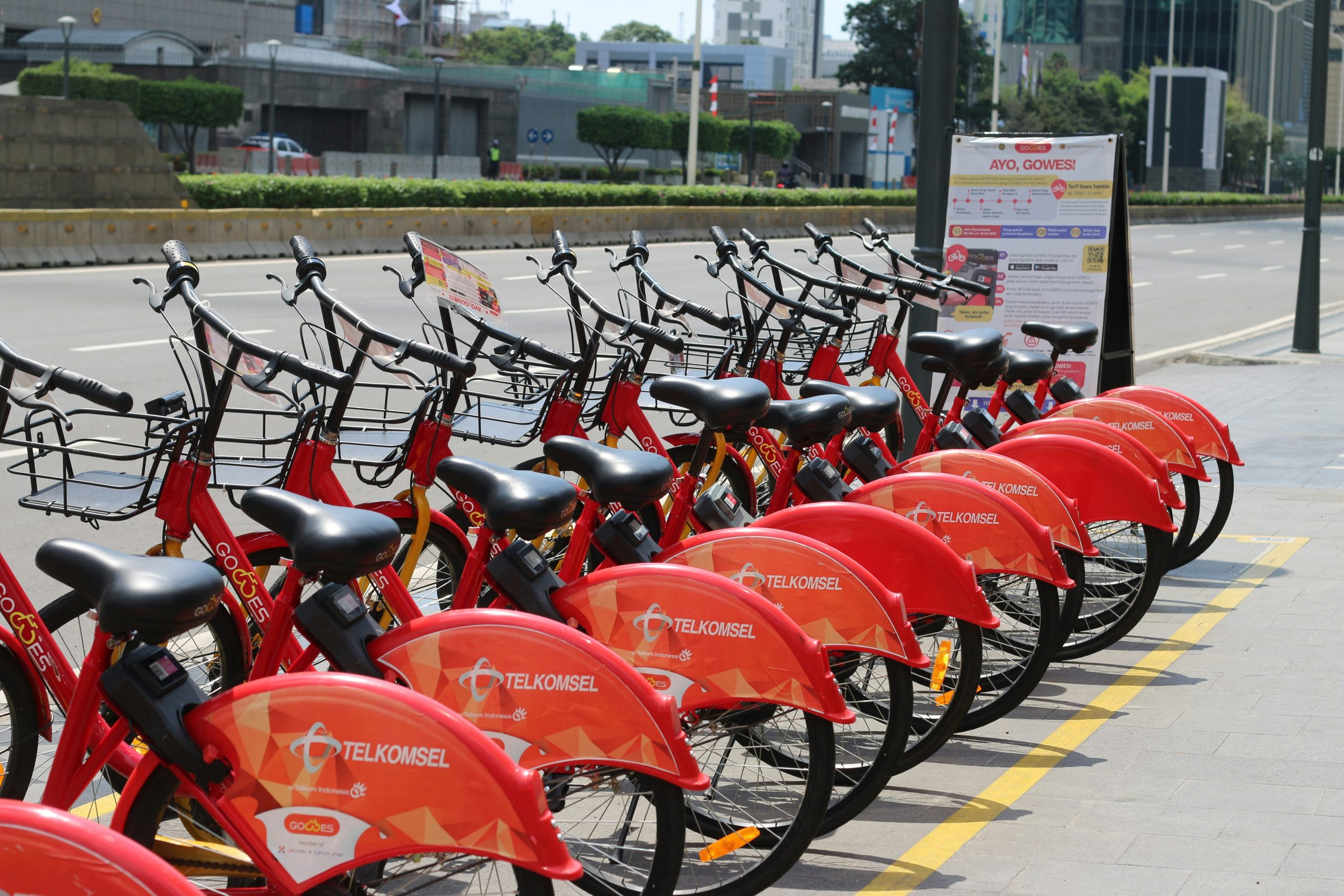
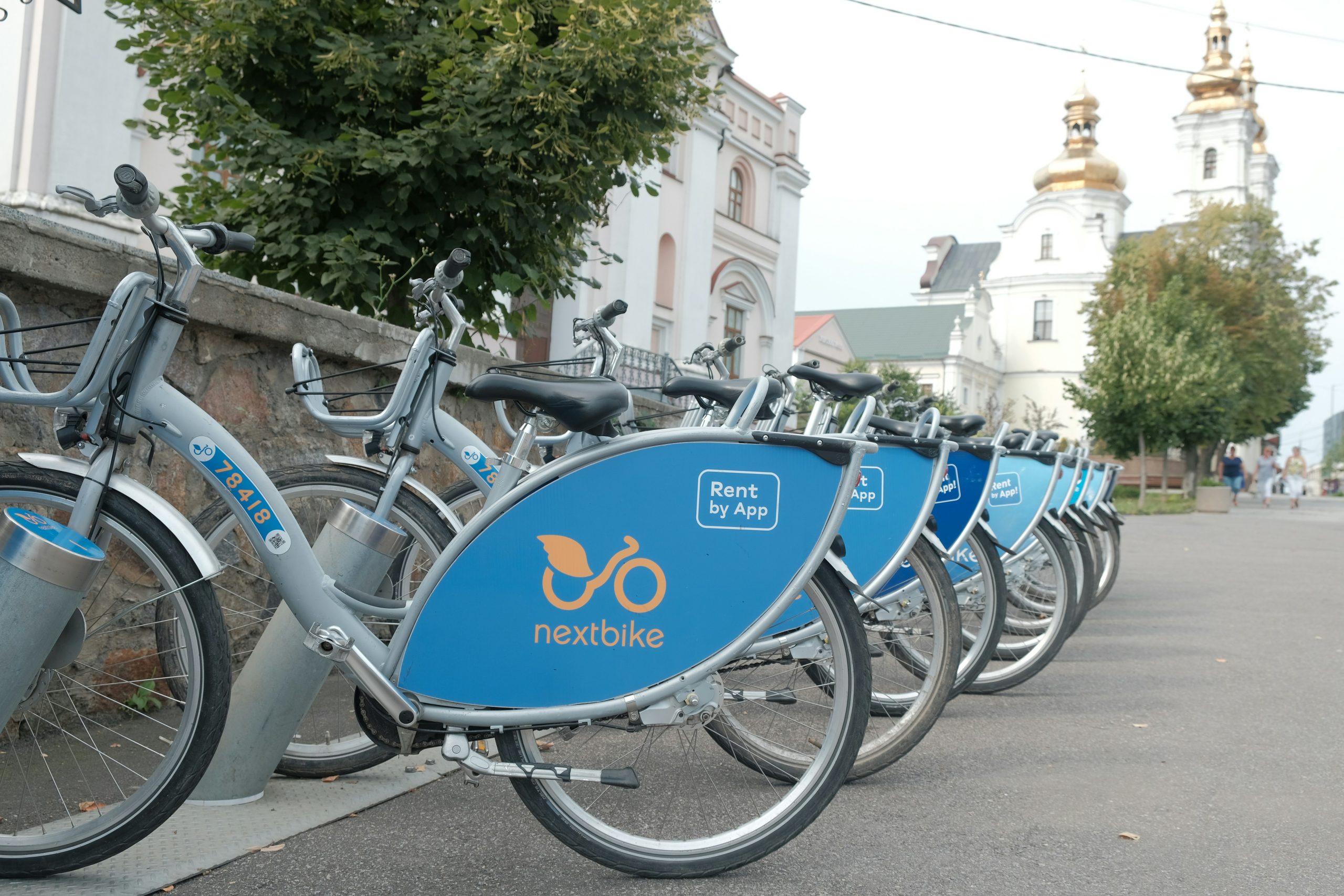
Berlin also benefits from various bike-sharing schemes, which offer a flexible option for spontaneous, short-term rentals. These systems typically involve picking up a bike from designated docking stations or even finding them parked around the city (in the case of dockless systems) and returning them to any available station.
Docked vs. Dockless Systems
We observed two primary models:
- Docked Systems: These require users to pick up and return bikes to specific, often centralized, docking stations. They tend to have a more organized feel and can sometimes be more predictable in terms of availability, though they also limit flexibility in where you can end your ride.
- Dockless Systems: These offer greater freedom, allowing users to pick up and park bikes virtually anywhere within a designated service area. This is incredibly convenient for making stops, but users must be mindful of parking regulations to avoid fines.
Membership and Pay-Per-Ride Options
Bike-sharing schemes typically offer both membership-based models (often with a daily or monthly fee for unlimited or discounted rides) and pay-per-ride options. This flexibility makes them suitable for both occasional users and those who plan to cycle frequently during their stay.
The Rental Process: From Selection to Saddle

Securing our bicycles was a straightforward yet detail-oriented process. We prioritized understanding the terms and conditions, insurance options, and the types of bikes available to match our planned itinerary. The goal was to ensure a seamless transition from rental counter to city streets.
Understanding Rental Agreements and Insurance
Before we handed over our credit card details, we took the time to thoroughly read the rental agreements. These documents, while often lengthy, contain crucial information regarding:
- Rental Duration and Pricing: Understanding the hourly, daily, and weekly rates is essential for budgeting. We also looked for any potential discounts for longer rental periods.
- Deposit Requirements: Most rental companies will require a deposit, which is usually refunded upon the return of the bicycle in good condition. We noted the amount and the methods of payment accepted.
- Liability and Damage Policies: This is where insurance becomes paramount. We inquired about included insurance and the availability of supplemental coverage for theft or accidental damage. Understanding our liability in case of an incident was a key concern.
Collision Damage Waiver (CDW) and Theft Protection
we specifically sought out information on Collision Damage Waivers (CDW) and theft protection. While often an add-on cost, the peace of mind they provide can be invaluable, especially when navigating a busy urban environment. We considered the excess amounts and the circumstances under which these protections would apply.
Choosing the Right Bicycle for Our Journey
The type of bicycle we selected was heavily influenced by our planned routes and the expected terrain. Berlin, while largely flat, does have some elevation changes, and our itinerary encompassed both well-maintained cycle paths and potentially some unpaved park trails.
Assessing Our Needs: Distance, Terrain, and Comfort
We considered:
- Distance: Were we planning short hops between attractions or longer excursions to the outskirts of the city?
- Terrain: Would we be sticking to paved roads and dedicated bike lanes, or did we anticipate venturing onto gravel paths or through parks?
- Comfort: For longer rides, features like padded saddles and ergonomic handlebars become more important. We also factored in the need for carrying capacity, such as a basket or pannier rack.
Test Rides and Adjustments
If possible, we always recommend taking a brief test ride before committing to a rental. This allows us to:
- Check the Fit: Ensure the saddle height and handlebar position are comfortable and conducive to a pain-free ride.
- Test the Brakes and Gears: Confirm that they are functioning correctly and smoothly.
- Assess Overall Condition: Look for any signs of wear and tear that might indicate potential issues.
Essential Accessories: Helmets, Locks, and Navigation
Beyond the bicycle itself, we recognized the importance of essential accessories to ensure our safety and security.
- Helmets: While not always mandatory in Berlin, we strongly advocate for wearing helmets. They provide crucial protection in the event of a fall or collision. Many rental companies offer helmets as an optional extra.
- Locks: Berlin is a city where bicycles are a popular mode of transport, and therefore, bike theft can be a concern. We always ensured our rented bikes came with a sturdy lock, and we became adept at using them correctly.
- Navigation Tools: While smartphones with GPS are ubiquitous, we also considered a physical map as a backup. Understanding basic street signage and being able to orient ourselves without relying solely on technology also proved valuable.
Our Pedaling Itinerary: Discovering Berlin on Two Wheels

With bikes secured and helmets strapped on, we embarked on our Berlin odyssey. The city’s infrastructure for cycling is commendable, with a growing network of dedicated lanes and a general awareness among motorists of cyclists’ presence. We found ourselves seamlessly integrating into the urban flow.
The Brandenburg Gate and the Reichstag Building: Iconic Landmarks
Our journey began, as many do, at the Brandenburg Gate. Cycling through the Pariser Platz, the sheer grandeur of the gate was amplified by the open space it commands. We then pedaled towards the nearby Reichstag Building, its dome a futuristic counterpoint to the historic architecture. The dedicated cycle path weaving through the Tiergarten offered a welcome respite from the urban bustle, allowing us to appreciate the architectural marvels from a gentle distance.
Experiencing History at Eye Level
Being on bicycles allowed us to appreciate these historical sites at eye level, not from within the confines of a tour bus or a crowded observation deck. We could pause at our own pace, take photos, and absorb the atmosphere without the pressure of a group schedule. This personal connection to historical landmarks is a significant benefit of bicycle touring.
Crossing the Spree: Museum Island and East Side Gallery
The Spree River is an ever-present artery of Berlin, and cycling along its banks offered a new perspective on the city. We navigated towards Museum Island, a UNESCO World Heritage site housing five world-renowned museums. The bridges crossing the Spree provided natural vantage points for appreciating the architecture and the vibrant cultural life unfolding along the riverbanks.
The East Side Gallery: A Canvas of Freedom
A highlight of our cycling exploration was the East Side Gallery, a section of the former Berlin Wall transformed into an open-air art gallery. Pedaling along this extended canvas of painted murals was a profound experience. Each artwork tells a story, a testament to the city’s turbulent past and its enduring spirit of creativity and freedom. We stopped frequently, cycling back and forth to gain different perspectives on the powerful imagery.
Exploring Prenzlauer Berg: Charming Streets and Local Life
Moving beyond the major tourist hubs, we ventured into the charming neighborhood of Prenzlauer Berg. This area, known for its picturesque streets, tree-lined avenues, and family-friendly atmosphere, is a cyclist’s dream. We enjoyed the slower pace of life here, pausing at independent boutiques, enjoying coffee at sidewalk cafes, and observing the local rhythm of the neighborhood.
Discovering Hidden Courtyards and Parks
The dense network of streets in Prenzlauer Berg invited exploration. We discovered hidden courtyards often adorned with flowers, and small, unexpected parks that offered moments of tranquility. The bicycle allowed us to weave through these residential areas, experiencing the authentic pulse of Berlin life away from the more tourist-centric zones.
Tiergarten and Tempelhofer Feld: Green Lungs of the City
Berlin boasts an impressive array of green spaces, and our bicycles proved to be the ideal mode of transport for exploring them. The Tiergarten, the city’s largest park, offered a vast network of paths through forested areas and open meadows.
Tempelhofer Feld: A Unique Urban Oasis
Perhaps the most unique of these green spaces is Tempelhofer Feld, the former Tempelhof Airport. This immense open expanse, now a public park, offers an unparalleled space for cycling, skating, and simply enjoying the vastness of the sky. Cycling across the former runways, imagining the planes that once took off and landed there, was a surreal and unforgettable experience. It served as a powerful reminder of how Berlin has continuously reinvented itself.
Beyond the Ride: Practical Tips for Cyclists in Berlin
| Metric | Value | Unit | Notes |
|---|---|---|---|
| Number of Rental Stations | 150 | stations | As of 2024 |
| Total Bikes Available | 3000 | bikes | Includes e-bikes and regular bikes |
| Average Rental Duration | 45 | minutes | Typical trip length |
| Peak Usage Hours | 7-9 AM, 4-6 PM | hours | Weekdays |
| Average Cost per Hour | 3.50 | currency units | Varies by provider |
| Most Popular Rental Area | Mitte | district | Central Berlin |
| Annual Rentals | 1,200,000 | rentals | Estimated for 2023 |
Our cycling adventures in Berlin were made significantly smoother by heeding certain practical advice. These small details, often overlooked, can make a substantial difference in the overall enjoyment and efficiency of your urban bike exploration.
Understanding Berlin’s Cycling Etiquette and Rules
Like any city with a strong cycling culture, Berlin has its unwritten rules and even some written regulations. Being aware of these fostered a sense of respect and safety for ourselves and others on the road.
- Hand Signals: We made a conscious effort to use clear hand signals for turning and stopping, a practice that is widely understood and appreciated by other road users.
- Lane Discipline: Understanding the designated cycle lanes and knowing when to use them, and when it’s appropriate to merge with traffic (following the same rules as other vehicles), was crucial.
- Respect for Pedestrians: In shared spaces or on pedestrian paths, we always yielded to pedestrians and rode at a pace that ensured their safety and comfort.
Traffic Lights and Road Crossings
Navigating traffic lights and road crossings required diligence. We ensured we came to a complete stop at red lights and waited for a clear indication to proceed. This might seem obvious, but in the rush of exploring, vigilance is key.
Navigating Bike Lanes and Path Networks
Berlin’s commitment to cycling infrastructure is evident in its extensive network of bike lanes and paths. We found these to be well-maintained and clearly marked, making navigation relatively straightforward.
Utilizing Cycle Paths and Shared Lanes
We prioritized using dedicated cycle paths whenever available, as they offered a safer and more convenient route. In areas where dedicated lanes were not present, we utilized shared lanes, always adhering to traffic laws.
Public Transport Integration: Taking Your Bike Onboard
A crucial aspect of our exploration was understanding how to integrate cycling with Berlin’s excellent public transport system. In many cases, we were able to take our rented bicycles onto U-Bahn (subway) and S-Bahn (urban rail) trains, particularly outside of peak commuting hours. This allowed us to cover longer distances efficiently, cycling to a train station and then continuing our journey on two wheels from another station.
Security and Theft Prevention: Protecting Your Rental
As mentioned earlier, bike theft is a reality, and proactive measures are essential. We took our security responsibilities seriously to avoid any unpleasant surprises.
The Importance of Sturdy Locks
We never underestimated the power of a good lock. We utilized a combination lock on the frame and the wheels, securing the bicycle to a fixed object whenever we left it unattended, even for short periods.
Strategic Parking: Avoiding High-Risk Areas
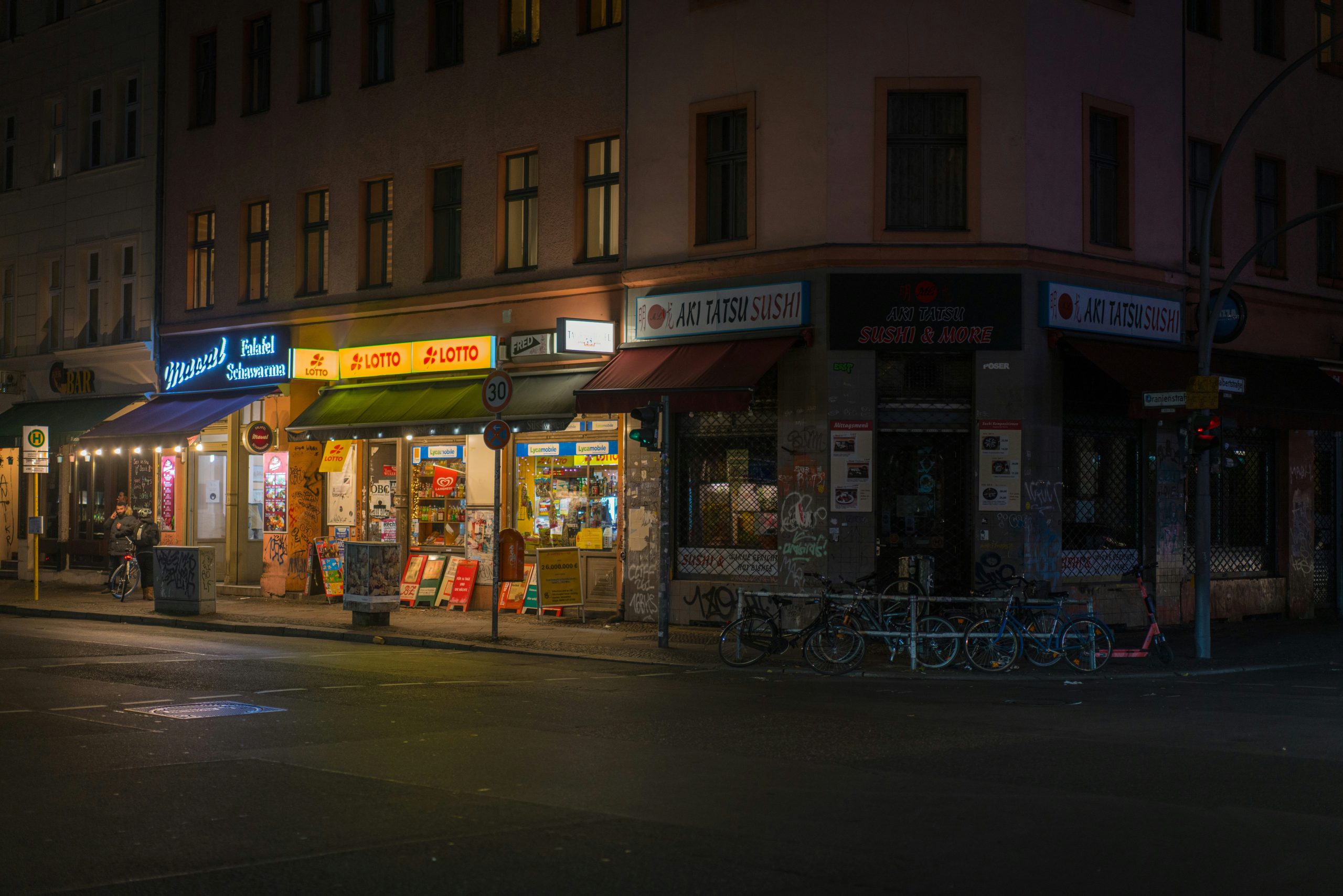
When parking our bikes, we opted for well-lit and visible locations, preferably in designated bike racks or areas where other bicycles were already secured. We avoided leaving them in secluded or poorly lit areas that might be more attractive to thieves.
The Lasting Impression: Berlin Embraced
Our decision to rent bicycles for our exploration of Berlin proved to be an inspired one. This method of transport not only facilitated efficient sightseeing but also fostered a deeper connection with the city. The wind in our hair, the freedom to deviate from a set path, and the intimate glimpses into local life all contributed to an unforgettable experience. Berlin, a city constantly evolving, is best discovered at a pace that allows for appreciation, and for us, that pace was set by the rhythm of our pedals. We encourage fellow travelers to consider trading their wheels for two, and to unlock the unique charm of Berlin, one cycle at a time.